

The ROI of AI-Driven Automation in Modern Businesses
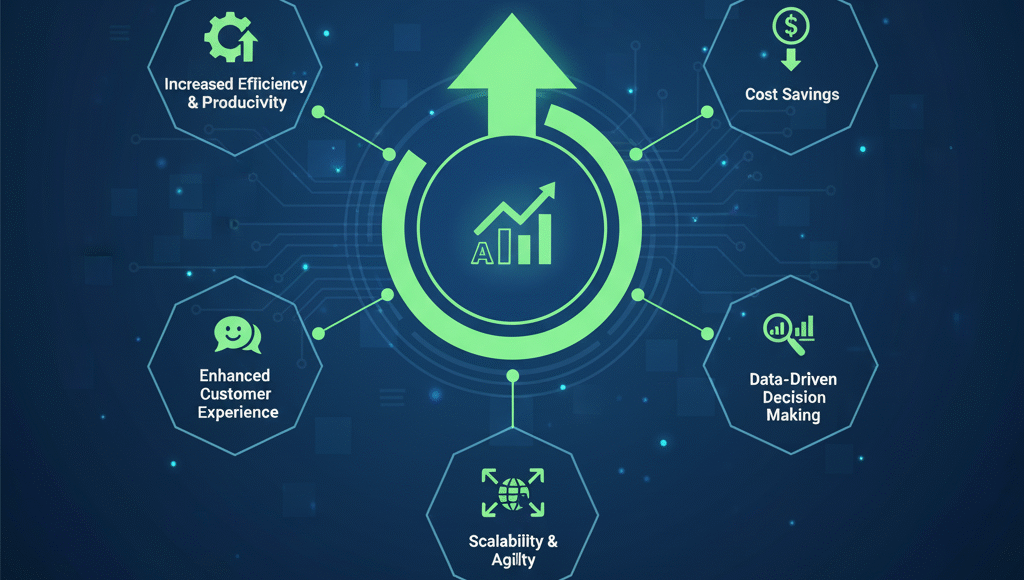
As technology rapidly evolves, modern businesses are continuously seeking ways to streamline operations, reduce costs, and drive growth. One of the most transformative advancements in this pursuit is AI-driven automation. But what is the real return on investment (ROI) for companies that embrace artificial intelligence to automate their processes?
Understanding AI-Driven Automation
AI-driven automation leverages machine learning, natural language processing, and intelligent algorithms to perform tasks that once relied on human decision-making. From customer service chatbots and automated invoicing to predictive maintenance and data analysis, AI is revolutionizing both front-office and back-office operations.
Key Drivers of ROI for AI Automation
1. Increased Efficiency and Productivity
AI-powered tools can handle repetitive and time-consuming tasks at speeds unmatched by humans. This frees up employees to focus on high-value, strategic work, boosting overall productivity while reducing manual errors.
2. Cost Savings
By automating routine functions, businesses can significantly decrease operational costs. AI solutions work around the clock without fatigue, minimize the risk of costly mistakes, and lower expenses associated with labor, training, and overtime.
3. Enhanced Customer Experience
AI-driven chatbots, recommendation engines, and personalized interactions mean customers receive faster, more accurate responses. This leads to greater satisfaction, higher retention rates, and increased revenue opportunities.
4. Data-Driven Decision Making
Automated systems can process vast amounts of data in real time, providing actionable insights that support smarter, faster business decisions. Companies leveraging AI analytics gain a competitive edge in responding to market trends and optimizing processes.
5. Scalability and Agility
With AI automation, businesses can more easily scale their operations to meet changing demands, launch new products or services, and adapt quickly to industry shifts—fostering long-term sustainability and growth.
Measuring the ROI
The ROI of AI-driven automation is measured not just in cost savings, but also in increased employee satisfaction, better customer outcomes, and new revenue streams made possible by technology. Companies that strategically invest in AI automation often see rapid payback periods and exponential long-term benefits.
Conclusion
AI-driven automation is not just a trend—it’s a cornerstone of the future-ready business. The tangible and intangible ROI it provides makes it an essential investment for companies determined to innovate, compete, and thrive in the modern marketplace.