
Key Stages in Custom AI Development—What Clients Should Know
Investing in a custom AI solution can revolutionize your business, helping you streamline workflows, boost efficiency, and unlock new opportunities. But for clients embarking on this journey, understanding the stages of AI development is critical for smoother collaboration and better results. Here’s what you should know about the key phases that shape a successful custom AI project.
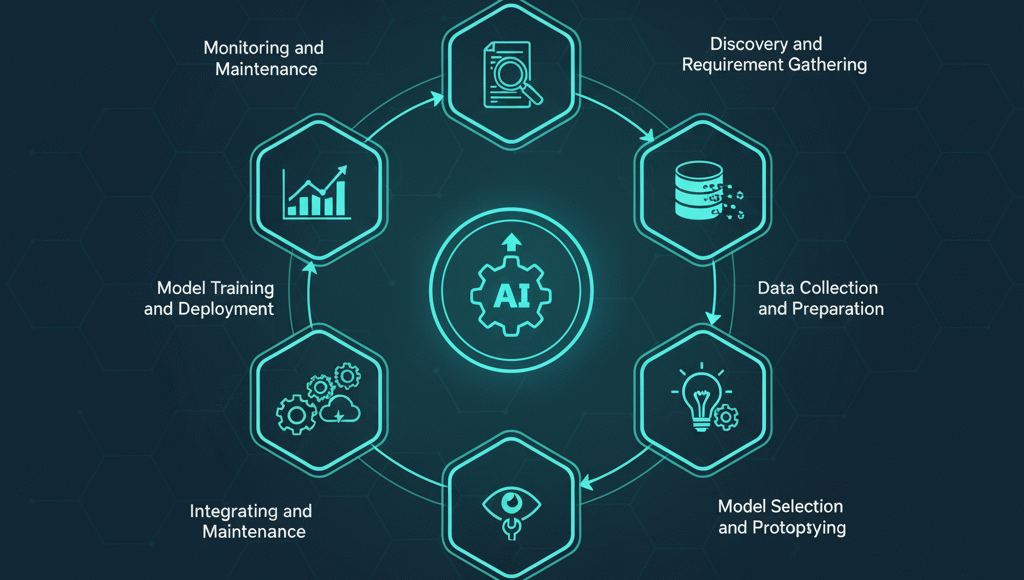
1. Discovery and Requirement Gathering
This initial stage involves meetings with stakeholders to define business goals, identify challenges, and determine the specific problems you want the AI solution to solve. Clear objectives set the foundation for the entire development process.
2. Data Collection and Preparation
Quality data is the lifeblood of any AI system. In this phase, developers gather, clean, and label relevant datasets—sometimes with your assistance—ensuring the model will learn from accurate, representative information.
3. Model Selection and Prototyping
Based on your requirements and data, the development team selects appropriate AI models, frameworks, and algorithms. They then build a prototype or minimum viable product (MVP) to validate initial assumptions and test basic functionalities.
4. Model Training and Evaluation
The AI model is trained on your prepared data, then rigorously evaluated to assess accuracy, performance, and bias. This step may include several rounds of tuning and experimentation to achieve the desired results.
5. Integration and Deployment
Once validated, the AI model is integrated with your existing IT systems, software, or products. This phase covers user interface design, API development, and configuring infrastructure for seamless operation.
6. Monitoring and Maintenance
After deployment, ongoing monitoring ensures the AI continues to perform well in real-world conditions. The team tracks results, addresses issues, and retrains the model as needed, supporting long-term reliability and improvement.
Conclusion
Each stage in the custom AI development lifecycle is crucial and often iterative. As a client, staying engaged and informed throughout the process will help align deliverables with your expectations, maximize ROI, and ensure your solution truly addresses your business needs.